The planning notebook
How many days in Kyoto? A first-visit plan that leaves room to explore
For a first visit, we suggest three full sightseeing days in Kyoto, with four if you want a slower pace or another area beyond the main plan. Count usable days, not just hotel nights: a late arrival and an early departure do not make two days of exploring.
Research-based guide by Travel Larkmorrow Editorial. How we research our guides. Sources checked October 28, 2026. Recommendations reflect our planning analysis, not a claimed first-hand visit. Transport and access arrangements can change; check the linked operators for your dates.
Our recommendation: three full days, with a fourth if you can
Two full days: a selective introduction. Three full days: our starting recommendation for a first visit. Four or five: more space for another district, personal interests, and changes of plan.
There is no official number of days that makes a Kyoto visit complete. Our recommendation is a planning judgment: choose a few areas, give each enough time, and avoid building every day around crossing the city. The official Kyoto guide divides sightseeing into central, eastern, western, northern, and southern areas, which is a useful reminder that the city is not one compact attraction district.
Start by writing down your real arrival and departure times. A four-night booking might provide three full days; a two-night stop might provide only one. Transfer time, luggage, and the journey to your accommodation belong in that calculation.
What a two-, three-, or four-day visit can reasonably feel like
| Usable time | Suggested approach | Main trade-off |
|---|---|---|
| Two full days | Choose two area-based days and one personal priority | Little room for a distant district or a changed plan |
| Three full days | Combine eastern Kyoto, western Kyoto, and a southern/central day | You still need to leave worthwhile places for another visit |
| Four full days | Add an interest-led day or loosen the original three | An extra hotel night and more of the wider Japan itinerary |
| Five or more | Build around museums, crafts, food, gardens, or less familiar areas | Requires knowing what you want beyond the most photographed sights |
Read this as a choice about pace, not a checklist with a score at the end. If one temple, a long lunch, and a walk make a satisfying day for you, you do not need to justify that day by adding three more stops. If you prefer full days, group those stops so the transport serves the plan.
Day one: give eastern Kyoto a day of its own
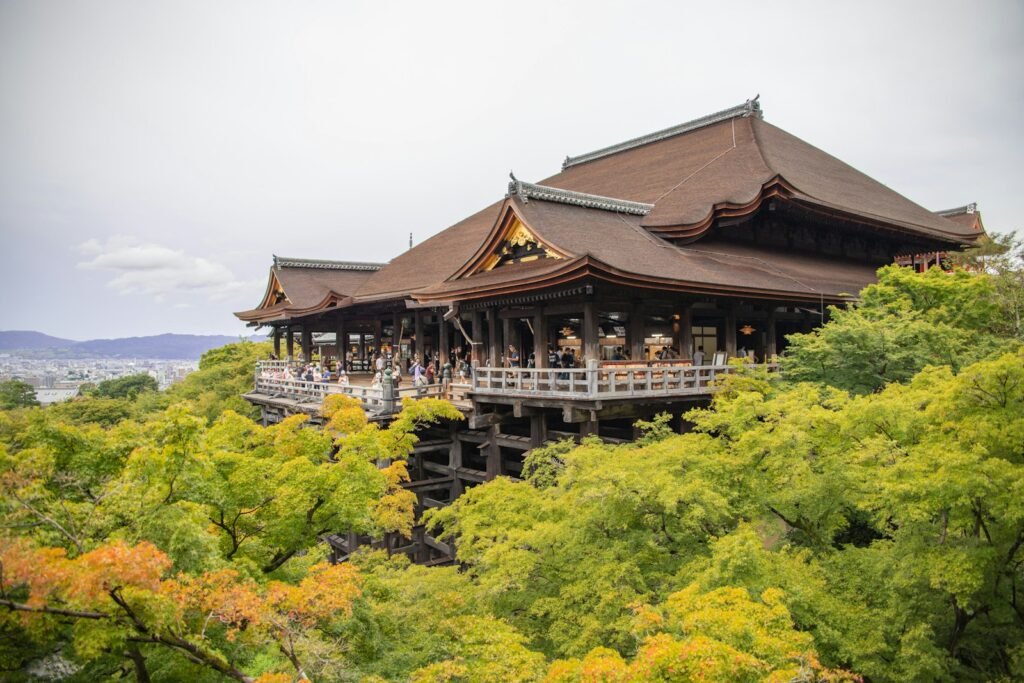
Use Gion and the Kiyomizu/Higashiyama area as the basis for an eastern day. Kyoto’s official area guide places temples, shrines, craft shops, and Gion’s residential and cultural life in this part of the city. Pick one main visit and allow the streets between places to take some time.
A useful way to plan is to make three decisions in advance: your anchor visit, a place to pause for lunch, and the point where you will stop adding sights. Leave the rest flexible. An itinerary becomes easier to follow when it describes an area rather than a chain of timed photographs.
Gion needs particular care. The city’s current guidance asks visitors not to follow or photograph geiko and maiko without permission, enter private property, or block streets. Follow local signs and photography rules; the area is a neighbourhood and working environment, not an open-access set for visitor photographs. Read the city’s visitor guidelines before going.
If the area is crowded, do less there rather than pushing through every stop on the list. Kyoto’s official congestion information provides forecasts and selected live views to help you adjust timing. It cannot promise an empty street, but it is a more useful planning tool than a claim that a particular hour is always quiet.
Day two: decide what you want from Arashiyama
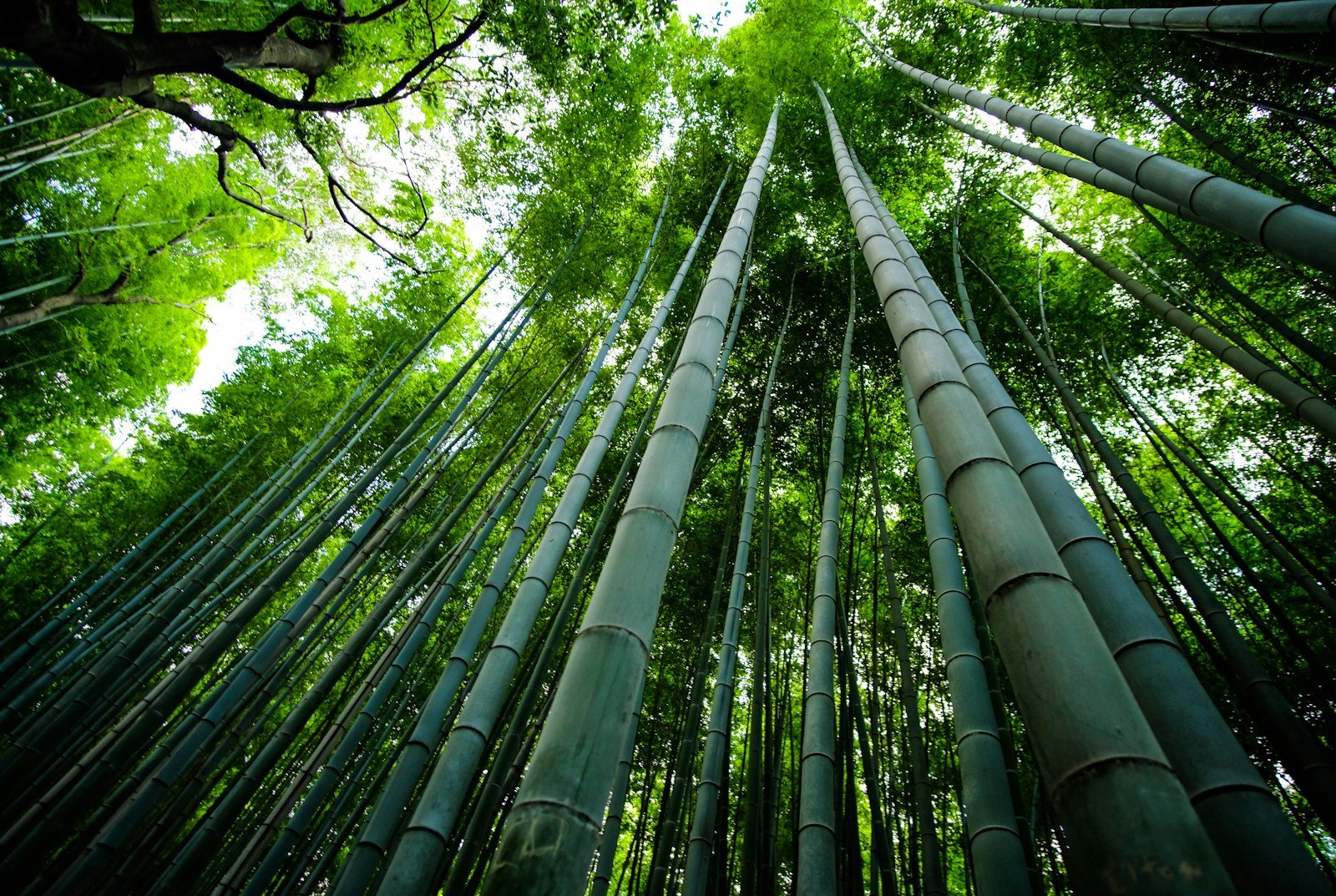
The official accommodation guide describes Arashiyama through its bamboo grove, Togetsukyo Bridge, temples, and rail access. That is enough variety to justify considering a western day without treating the bamboo path as the whole outing.
Choose a main reason to go: a temple or garden visit, a longer walk, or time in the area. Check the relevant attraction’s opening arrangements separately. A station arrival time does not tell you how much time remains at a ticketed site, and not every part of an area shares the same hours.
We would avoid combining this day with a long list on the opposite side of Kyoto. If you finish earlier than expected, you can decide whether to add something near your accommodation. That is a better problem to have than making the final visit a race against closing time.
For a longer stay, an overnight in the western area may appeal. For a short first visit, weigh it against the additional journeys to the other places on your list. A beautiful setting and a convenient base are separate strengths; you can choose either consciously.
Day three: build a southern visit around the rest of your trip
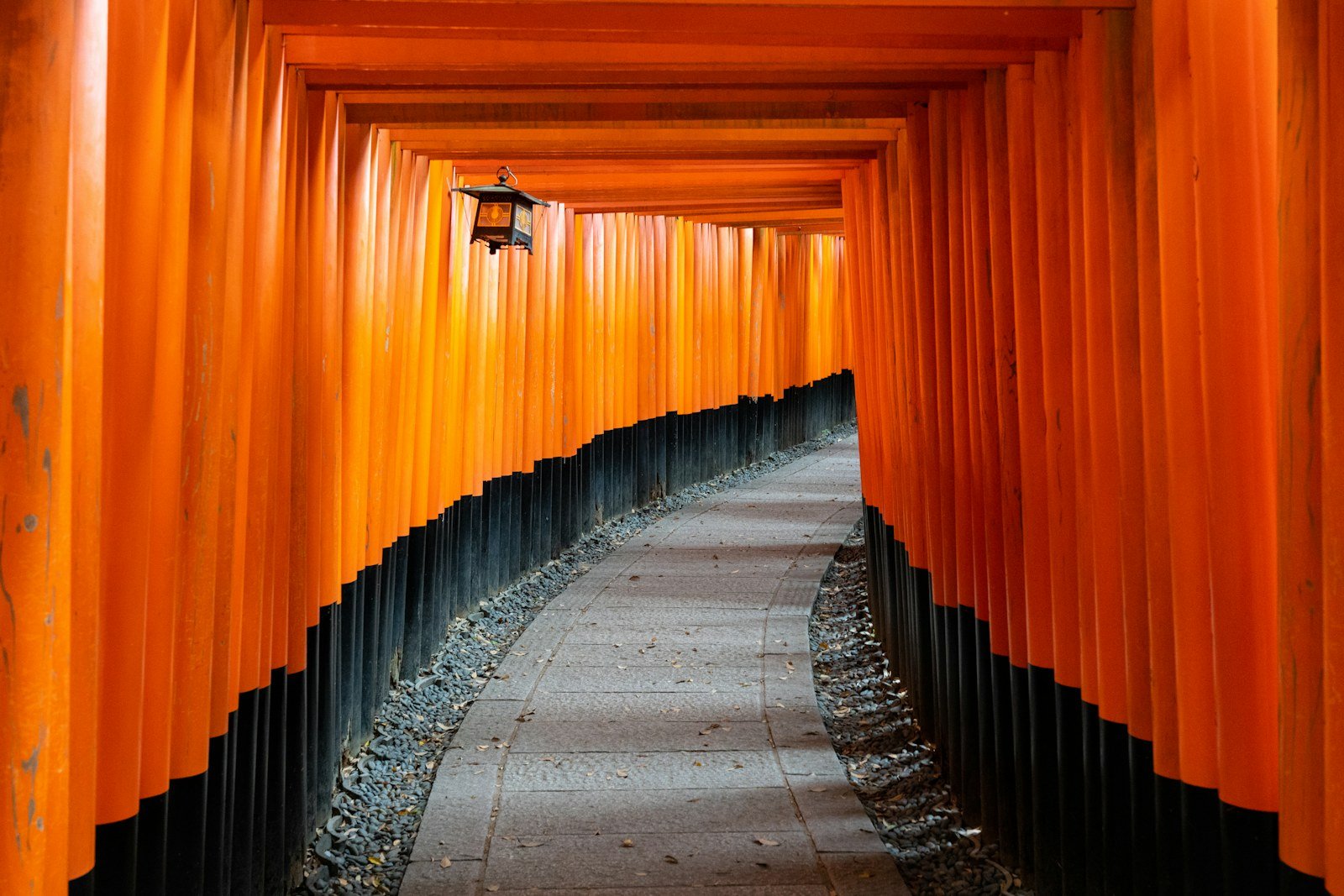
Fushimi Inari is identified in the official guide’s southern Kyoto area. Decide how much time you want there, then pair it with a manageable central plan rather than a string of unrelated destinations. Check access and any specific visit arrangements with the place you intend to see.
Our suggested afternoon is deliberately open: a museum, food-related stop, shopping, or an area near the hotel. This creates space for an interest that may not appear on the standard first-visit list. It also gives you somewhere to put a visit postponed by weather, fatigue, or an unexpected closure.
Do not reserve a demanding final afternoon if it is also your departure day. Work backward from the train, allow for collecting luggage, and keep the last visit in a sensible relationship to the departure station. The city will still have things you have not seen. That does not mean the itinerary failed.
Use the rail network before defaulting to a bus
Kyoto’s official transport guidance recommends combining modes and taking a train close to the destination where practical. The city has subway lines as well as railways operated by different companies. Look up the whole journey for each day instead of assuming one pass or one operator covers everything.
The official bus guide notes that buses can be especially crowded during cherry-blossom and autumn-foliage seasons and commuting periods. It also recommends luggage storage or delivery before boarding. A bus may be the right link for a particular journey; that does not make it the best default for every trip across Kyoto.
Before buying a day pass, compare its coverage with the journeys you actually intend to make. Kyoto’s official tickets page lists several products with different operators, geographic limits, and sometimes sales periods. A pass with a reassuring name can still be the wrong product for a day that uses a different railway.
For the final approach, check the specific station exit and route to your entrance. If you need step-free travel, ask about the station, the street route, and the destination itself. Allow a taxi in the budget when it solves a difficult last leg; we are not treating a car-free itinerary as a test of endurance.
Where to stay for this kind of first visit
Start by comparing the Kyoto Station area, downtown, and Gion/Higashiyama. The official accommodation guide describes distinct strengths across these areas. Our recommendation is to match the room to your arrivals, departures, and evenings rather than choose solely from daytime sightseeing photographs.
Kyoto Station area: worth shortlisting if you value a straightforward relationship with your arrival and onward travel. Read the exact address and station access carefully; “near the station” is not a complete description of a luggage journey.
Downtown: consider it when the evening part of the trip—dinner, browsing, and returning without another long journey—matters heavily. Test the hotel against the rail or subway connections you will use, not just the district name.
Gion/Higashiyama: consider it if spending more time in the eastern area is central to the visit. Check vehicle access, luggage handling, and evening noise at the specific property. Staying nearby does not give permission to enter private lanes or photograph residents.
Do not change hotels within Kyoto merely to divide this three-day plan between districts. We would usually compare the inconvenience of packing and moving against the time saved. A single well-chosen base can make a short visit feel less fragmented.
What to do with a fourth day
First ask whether the extra day should contain anything new. You might use it to spread the original plan over four days, with shorter outings and more time between them. You may enjoy the trip more without adding another sight.
If you want another area, use the official city guide to explore options beyond your first three days. Choose according to a real interest, then check the transport and opening arrangements. A craft-related visit, museum, or garden can give the day a stronger purpose than another general highlights loop.
A fourth day also creates resilience. You can move an outdoor outing, recover from a late arrival, or spend longer somewhere you unexpectedly enjoy. Book only the parts that require advance arrangements and leave some time with no appointment attached.
Before you settle the number of nights
Can Kyoto work as a day trip?
A day can give you a focused visit to a chosen area. It is a different proposition from a broad first introduction with evenings in the city. Decide which experience you want before comparing accommodation costs.
Are three nights the same as three days?
No. Count the hours between arrival, check-in, departure, and other commitments. Three nights can give you two full days and parts of two others, depending on the schedule.
Should you add more days in a busy season?
We would allow more flexibility when dates and bookings are likely to constrain the plan. Extra time does not remove crowds, but it gives you more choices about when to visit and what to postpone.
What should you confirm before departure?
Check attraction opening days, booked entry arrangements, transport notices, accommodation access, and the current visitor guidelines. Treat prices and timetables as items to verify, not facts fixed for the life of this article.
Sources and research notes
Operator and destination sources establish the transport links and place details below. Our suggested bases, day allocations, and trade-offs are editorial judgments. No live hotel prices or personal hotel inspections are claimed.