The planning notebook
Lisbon or Porto for a first trip? How to choose a short Portuguese break

Choose Lisbon if you want a short break built around several distinct neighbourhoods and a broader capital-city itinerary. Choose Porto if the Douro waterfront, historic centre, and port-wine connection are the main draw. For two or three full days, our recommendation is to choose one city and enjoy it properly.
Research-based guide by Travel Larkmorrow Editorial. How we research our guides. Sources checked October 28, 2026. Recommendations reflect our planning analysis, not a claimed first-hand visit. Transport and access arrangements can change; check the linked operators for your dates.
Choose the trip you want, then choose the city
Our starting choice for variety is Lisbon. Our starting choice for a river-and-wine-focused break is Porto. Neither is automatically the cheaper, easier, or better city for every visitor. Flight times, the hotel address, walking requirements, and personal interests can change the answer.
This comparison is for a short first visit, not a claim that either city can be fully explored in a weekend. We would rather help you choose a satisfying three-day trip than persuade you to collect two city names while spending much of the break in transit.
Begin with one question: what would you most regret missing? If it is Lisbon’s neighbourhoods, fado, or a visit connected with Belém, begin there. If it is Porto’s riverside setting and the wine lodges across the Douro in Vila Nova de Gaia, that is a clearer reason to choose Porto than a general claim that one city has more character.
The differences that matter on a short break
| Your priority | Our starting recommendation | The reason to reconsider |
|---|---|---|
| Several different neighbourhood outings | Lisbon | Your time is too short for repeated changes of area |
| Riverside views and a port-wine visit | Porto | Wine is not a meaningful part of your interests |
| Two usable sightseeing days | Whichever has the simpler arrival | A favourite experience outweighs the transport difference |
| A trip with mobility requirements | Compare exact routes and properties in both | A broad city label cannot establish step-free access |
| Visiting both cities | Add enough nights for the transfer | The second stay takes time away from the first |
The table deliberately leaves price out. A city-wide reputation for affordability tells you less than the cost of rooms you would actually book on your dates. Compare equivalent locations, room types, cancellation terms, and arrival costs before deciding that one city offers better value.
Lisbon: choose a few neighbourhoods rather than all of them
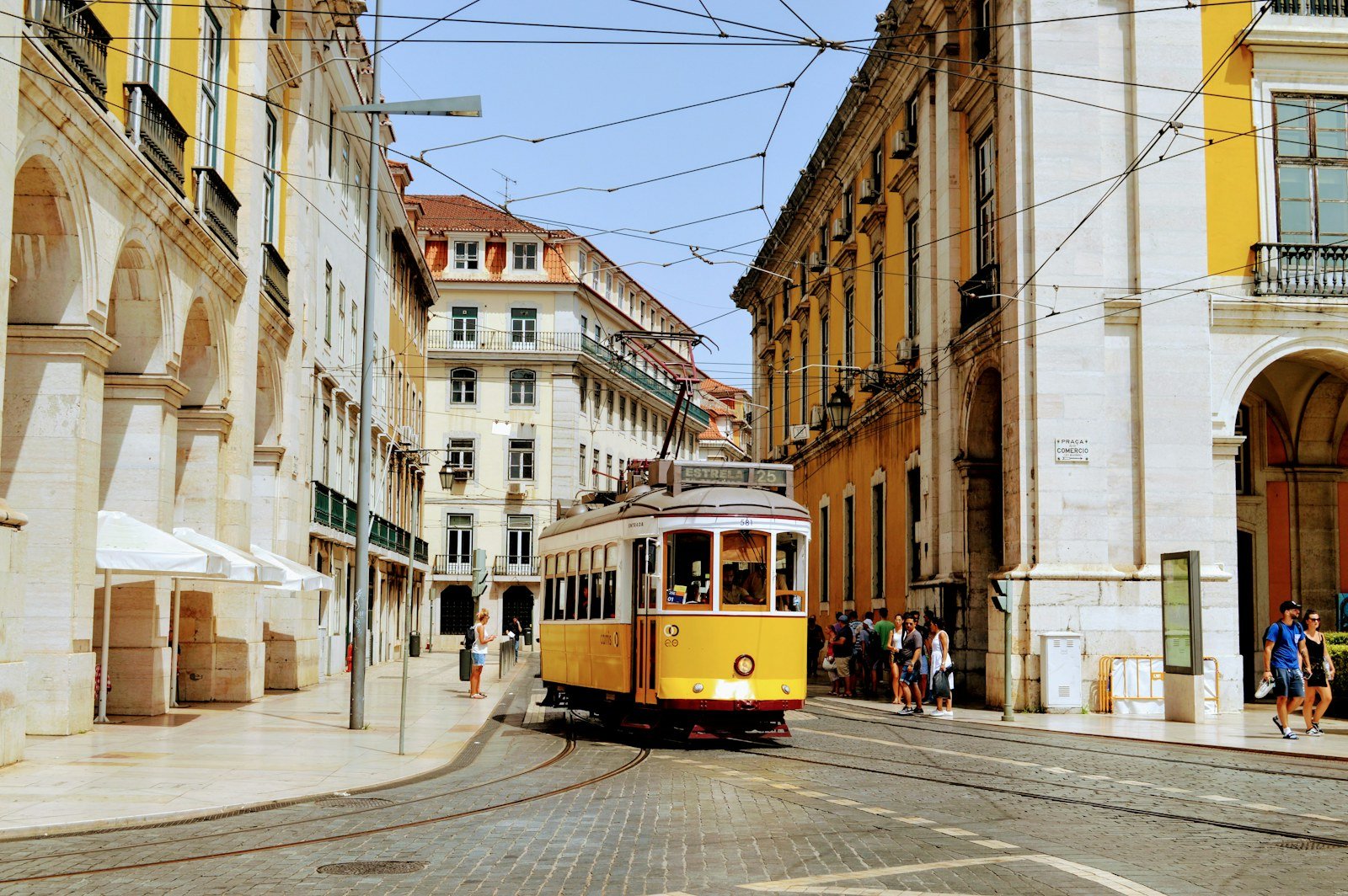
Visit Lisboa lists Alfama, Baixa, Belém, Chiado, Bairro Alto, and other historic neighbourhoods as distinct areas to explore. That range is the basis of our recommendation for readers who want variety. It is not an invitation to make every day a continuous circuit between them.
The national tourism guide describes Alfama and Mouraria around the castle area, the downtown streets of Baixa, and Belém farther west. Plan around those differences. A day with a clear geographical focus usually gives you more useful time than a plan that jumps between several sides of the city.
Fado is another reason some readers will choose Lisbon. If you want a performance, look into the venue’s current arrangements rather than treating it as something that will fit automatically after dinner. Decide whether it is an anchor booking or an optional evening, and leave the following morning realistic.
Lisbon is hilly. The tourism board’s own descriptions refer to slopes, steps, and viewpoints. Choose those walks deliberately and investigate alternatives if they do not suit everyone in your party. An appealing viewpoint is not a reason to ignore a difficult return to the hotel.

If you have an extra day in Lisbon, our car-free Sintra day-trip guide explains the train journey, palace entry times and how to choose a manageable itinerary.
Porto: let the river shape the plan
Visit Portugal’s Porto guide links the historic centre, Ribeira, the Douro, and the wine lodges on the Gaia side. Those are a useful starting framework for a visit, but they do not all have to happen in the same afternoon.
We would separate a historic-centre outing from the part of the visit devoted to Gaia and a wine experience. That gives you time to book a visit that interests you rather than choose whichever one can be fitted between two other appointments. Confirm the operator’s location and meeting point before paying.
The official guide describes descending steps and streets toward Ribeira. Porto should not be treated as the flat alternative to Lisbon. If walking is a concern, investigate the specific hotel-to-river route, the way back, and any transport you intend to use. The same care matters when choosing a property for a short stay.
You do not have to drink port to enjoy Porto. But if the wine connection leaves you indifferent, compare your other priorities before using it as the deciding argument. Choose for your own interests, even when they differ from the usual visitor itinerary.
Two suggested three-day outlines
Three days in Lisbon
Day one: choose a central outing around Baixa and the river, with time to settle in and understand your route back to the hotel. Avoid making arrival day depend on a hard-to-change admission time.
Day two: give the castle/Alfama side of the city its own focus. Choose one main visit, allow for the walking involved, and make the evening independent of a cross-city rush.
Day three: choose Belém or another personal priority. If a day trip is the most important reason for your visit, put it here only after checking its transport and leaving enough room for the city days you still want.
Three days in Porto
Day one: explore the historic centre at a pace suited to the terrain, using the official tourism guide to choose a few stops rather than copying its entire list.
Day two: spend time by the river and on the Gaia side, with one booked wine-related visit if that interests you. Check the route and meeting point rather than assuming every operator departs from the same place.
Day three: follow a personal interest, return to an area you enjoyed, or consider an excursion. A full Douro-region outing would be a different day from an unhurried city day; do not treat one as a quick addition to the other.
These outlines are our proposed pacing, not timed tours or guaranteed sequences. Confirm the opening days and booking requirements of your chosen attractions before assigning them to a date.
Compare the arrival you will actually make
Lisbon’s metro operator places Aeroporto on the Red line and publishes station and lift information. Check the onward route to your hotel, including any interchange and the final street approach. A metro connection to the city is useful, but it does not mean the train goes directly to every district.
For either city, compare the whole arrival: flight landing time, the journey into town, the walk with luggage, and any check-in restrictions. A slightly less convenient flight can remove a large part of a two-day break. A late flight home may add useful time only if you have somewhere to leave bags.
We would make a small comparison sheet before choosing. List two realistic flights, two realistic rooms, the expected transfer method, and the number of usable hours. That comparison is more useful than a general verdict about which city is best.
If anyone needs step-free travel, ask for details for the actual stations, vehicles, entrances, and room. Lisbon’s metro publishes lift status, which should be checked close to travel. Do not assume a facility shown on a map is necessarily available on the day.
Should you see Lisbon and Porto on the same trip?
They can be combined, but decide whether the extra city earns the transfer. CP’s Alfa Pendular service connects Lisbon and Porto. Its booking information makes clear that tickets must match the route, class, and train. Check your exact departure and arrival stations as part of the booking.
Do not budget only the time spent on the train. Include packing, checking out, reaching the station, finding the new accommodation, and getting settled. That is our main reason for recommending one city for a two- or three-day break, even though national tourism material presents both as short-break destinations.
With a longer trip, write a separate list of what you genuinely want in each city. If both lists contain experiences worth travelling for, the combination makes sense. If the second list exists only because the train connection is available, another night in the first city may make a better holiday.
Use CP’s current timetable and official sales channels when comparing journeys. Its website warns that some third-party sites are not official partners and may charge more. Read exchange and refund conditions before buying a discounted ticket; a low headline price is not the only useful condition.
Choose a stay by the return journey, too
In Lisbon, shortlist a base by the neighbourhoods and transport you expect to use. In Porto, consider how the hotel relates to both the centre and the river outings. Then look at the evening return, not just the pleasant downhill walk at the start of the day.
Before reserving, ask about steps at the entrance, lift access to the room, vehicle access, luggage storage, and check-in hours. If you want a quiet room, ask about the specific room position rather than assuming that a district name guarantees quiet.
Compare complete prices with the same inclusions. Breakfast, transfers, local charges, room type, and cancellation rights can all affect value. We have not inspected or ranked individual hotels for this guide and are not presenting any live room rates.
Our starting preference is to choose a well-located room that supports the plan, then spend the remaining budget on the experiences that led you to choose the city. That is a budgeting approach, not a claim that central accommodation is always cheaper overall.
A final decision before you book
Which city is better for a first visit to Portugal?
Lisbon is our starting recommendation if you want several contrasting neighbourhood outings. Porto is our starting recommendation when its river and wine connections match your interests more closely. A simpler flight or a more suitable room can outweigh that distinction.
Which is easier for walking?
Neither deserves a blanket promise. Both have routes involving hills or steps. Compare the actual journeys and accommodation access needed by your party.
Which is cheaper?
We have not established a date-specific price comparison. Compare a complete, equivalent basket of flights, accommodation, transfers, and planned activities rather than relying on a general ranking.
What if you still cannot choose?
Choose the city with the easier schedule and the experience you most want to have. Keep the other for a later trip. You can leave the rest of Portugal for another trip.
Sources and research notes
Operator and destination sources establish the transport links and place details below. Our suggested bases, day allocations, and trade-offs are editorial judgments. No live hotel prices or personal hotel inspections are claimed.
- Visit Lisboa: historic neighbourhoods
- Visit Portugal: discovering Lisbon
- Visit Portugal: Lisbon in a day
- Visit Portugal: Porto in a few days
- Visit Portugal: short-break options
- Lisbon Metro: airport station
- Lisbon Metro: live service and lift information
- CP: Alfa Pendular service
- CP: how to buy tickets
- CP: official sales channels